Geopolitical tensions and cyber risk: a practical guide to reducing exposure fast
Geopolitical tensions and cyber risk: a practical guide to reducing exposure fast
When geopolitical tensions rise, organisations tend to focus on visible impacts: supply chain disruption, energy price volatility, and operational continuity. What’s easier to miss is the increase in cyber risk that often comes alongside it.
This isn’t always about being a direct target. In heightened threat environments, we typically see more “background noise”: phishing campaigns, credential abuse against internet-facing services, opportunistic disruption attempts, and greater pressure on already-stretched IT and security teams. The organisations that cope best are not the ones that panic, they’re the ones that tighten the fundamentals and practise their response.
It’s also worth noting the baseline: the UK Government’s Cyber Security Breaches Survey 2025 found that 43% of businesses identified a cyber breach or attack in the previous 12 months. In other words, the threat is already mainstream. When the external environment becomes more volatile, the same weaknesses tend to be tested more frequently and at greater scale.
What “cyber spillover” looks like in practice
In periods of heightened geopolitical tension, we commonly see five patterns that affect both public and private sector organisations:
1) Phishing and social engineering at higher volume
Attackers don’t need a sophisticated exploit if they can persuade someone to click a link, approve a login, or hand over credentials. The themes vary (security updates, supplier onboarding, payment changes, HR requests), but the goal is the same: gain a foothold.
2) Denial-of-service and disruption against public-facing services
Disruption attempts can target citizen-facing services, customer portals, online booking systems, and critical workflows. Even when there is no deeper compromise, availability issues consume time and attention and can affect trust.
3) Remote access and edge exposure
Internet-facing management interfaces, VPNs, remote access tooling and legacy authentication remain common entry points. Risk rises sharply where access relies on weak credentials, inconsistent MFA, or overly permissive admin access.
4) Supplier and third-party incidents
Many organisations inherit risk through their ecosystem: IT providers, SaaS platforms, contact centre tooling, support partners and subcontractors. A supplier incident can become your incident, even if your internal controls are strong.
5) Slow or unclear response
In busy environments, teams can lose time debating whether an event is “serious” rather than acting decisively. Clear runbooks, escalation routes and rehearsed response plans reduce confusion and shorten recovery time.
A practical 72-hour checklist (high impact, low drama)
If you want fast risk reduction, focus on controls that remove common attack paths:
- Lock down remote admin access: remove internet exposure where possible; where remote admin is required, restrict it to known IP ranges and approved methods.
- Strengthen MFA (especially for admins): ensure MFA is enforced consistently and avoid weaker patterns that increase prompt fatigue or approval misuse.
- Run an “edge exposure” review: identify externally reachable services (VPN, admin portals, gateways) and confirm access policies, patching, and logging are in place.
- Reduce phishing risk: implement layered controls and reporting routes so the defence doesn’t rely on users being perfect.
- Prepare for DoS disruption: understand upstream protections, scaling options, monitoring, and your response plan.
- Check backups and recovery: confirm backups are protected and that you can restore key services quickly. Test if you haven’t tested recently.
- Confirm incident response basics: who decides, who communicates, who has authority to isolate systems, and how you escalate to specialist support.
30-day improvements that pay back all year
Once the urgent basics are in place, move to controls that reduce repeat incidents and improve resilience:
- Privileged access hardening: reduce standing admin privileges, enforce just-in-time access where possible, and audit privileged actions.
- Conditional access and device compliance: align access to risk signals and ensure high-risk systems require compliant devices.
- Logging and monitoring uplift: ensure key authentication, admin and perimeter events are collected, retained, and reviewed.
- Tabletop exercises: rehearse one realistic scenario end-to-end (phishing-led compromise or service disruption). Fix the gaps you find.
- Supplier assurance: identify your critical suppliers, confirm escalation routes and dependencies, and ensure you can operate through an outage.
Altiatech perspective
- Geopolitical tensions don’t automatically mean you will be targeted, but they do increase the likelihood that common weaknesses are tested. The best response is practical: tighten identity controls, reduce external exposure, make recovery reliable, and make response routine.
How Altiatech can help
Altiatech supports public and private sector organisations with outcome-led cyber resilience improvements that reduce real risk quickly, without slowing delivery. Typical support includes:
- Rapid exposure and posture review: identify internet-facing services, tighten remote admin access, and remove common attack paths.
- Identity and privileged access uplift: improve MFA approaches, design access policies, and reduce standing admin risk.
- Phishing and DoS readiness: implement layered defensive controls, monitoring, and tested response playbooks.
- Operational resilience: validate backup and recovery capability, run recovery testing, and strengthen incident response readiness.
- Managed support options: ongoing monitoring, patching cadence, and governance reporting so posture stays current as environments change.
Ready to move from ideas to delivery?
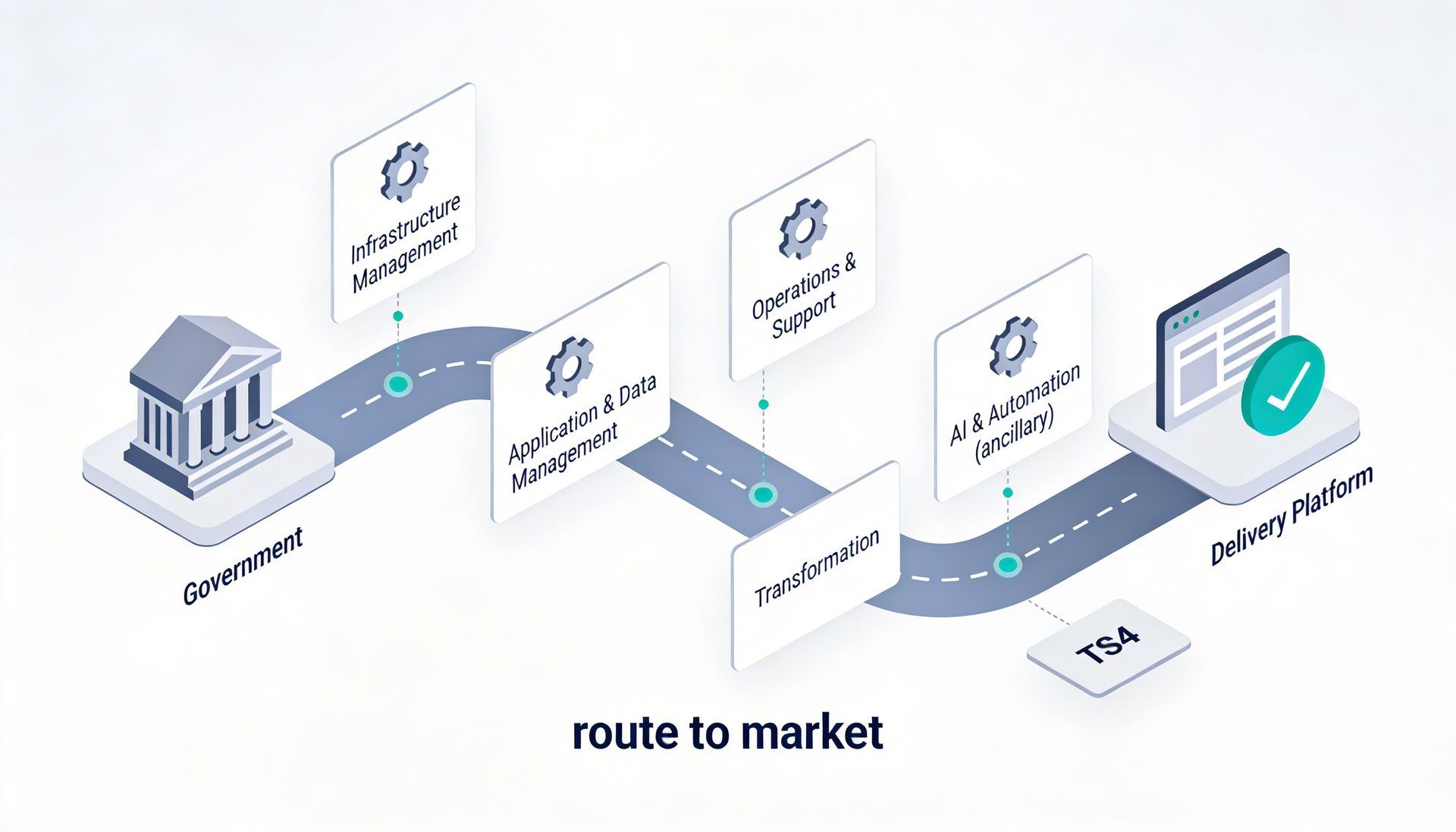
Whether you’re planning a cloud change, security uplift, cost governance initiative or a digital delivery programme, we can help you shape the scope and the right route to market.
Email:
innovate@altiatech.com or call
0330 332 5842 (Mon–Fri, 9am–5:30pm).
Main contact page: https://www.altiatech.com/contact