PPN 017 and AI procurement: What UK public sector buyers will ask suppliers in 2026
PPN 017 and AI procurement: What UK public sector buyers will ask suppliers in 2026
AI is becoming a mainstream part of public sector delivery, but procurement teams are under pressure to understand what is being bought and how it is used. That is exactly what PPN 017 is designed to support.
PPN 017 provides optional questions to help identify the use of AI in procurements and government services. If you supply AI-enabled cloud, software or support services, assume buyers will use the spirit of this guidance.
What buyers are likely to ask (and what good answers look like)
1) Where is AI used in the service?
Be specific. Identify the AI-enabled functions (for example, summarisation, classification, routing, forecasting, automation, chat) and explain what happens without AI. Buyers want clarity, not marketing.
2) What data is used and how is it protected?
Expect questions about data inputs, data residency, access controls, and how you prevent unintended disclosure. In practical terms, buyers look for evidence of good information governance and secure configurations, not vague statements.
3) How do you manage bias, transparency and explainability?
For public services, trust matters. Buyers may ask how decisions are made, what oversight exists, and what users can do if they disagree with an outcome. The most credible approach is to describe human oversight, audit trails, testing, and clear escalation routes.
4) How is the AI secured throughout its lifecycle?
Public sector risk teams are increasingly aware of AI-specific threats such as prompt injection and data poisoning, alongside “normal” cyber risks. Suppliers should be able to explain secure design, monitoring, and how vulnerabilities are handled.
5) What is the role of people?
AI should not remove accountability. Be clear about where humans review, approve, or intervene, and what training is in place for staff who rely on AI outputs.
6) What are the national security considerations?
PPN 017 notes that some procurements may involve national security concerns requiring additional considerations and mitigations. This is not just a defence issue. Any service touching sensitive data or critical functions may trigger deeper scrutiny.
- How suppliers can prepare now
- Create an “AI transparency pack” that maps AI features to data flows, controls and oversight.
- Align security and governance language across product, delivery and support teams so answers are consistent.
- Put your evidence in one place: policies, certifications, testing approach, and incident response.
- Be honest about limitations. Public buyers value clarity over overclaiming.
If your goal is to win in 2026, treat PPN 017 as a prompt to improve how you explain your service, not a box-ticking exercise. When you can describe your AI use clearly, responsibly and securely, you make it easier for buyers to say yes.
Expect increasing overlap between AI procurement questions and cyber assurance. Government has published an AI Cyber Security Code of Practice, and even when buyers do not cite it directly, the themes show up in due diligence: secure development, supply chain assurance, monitoring and incident response.
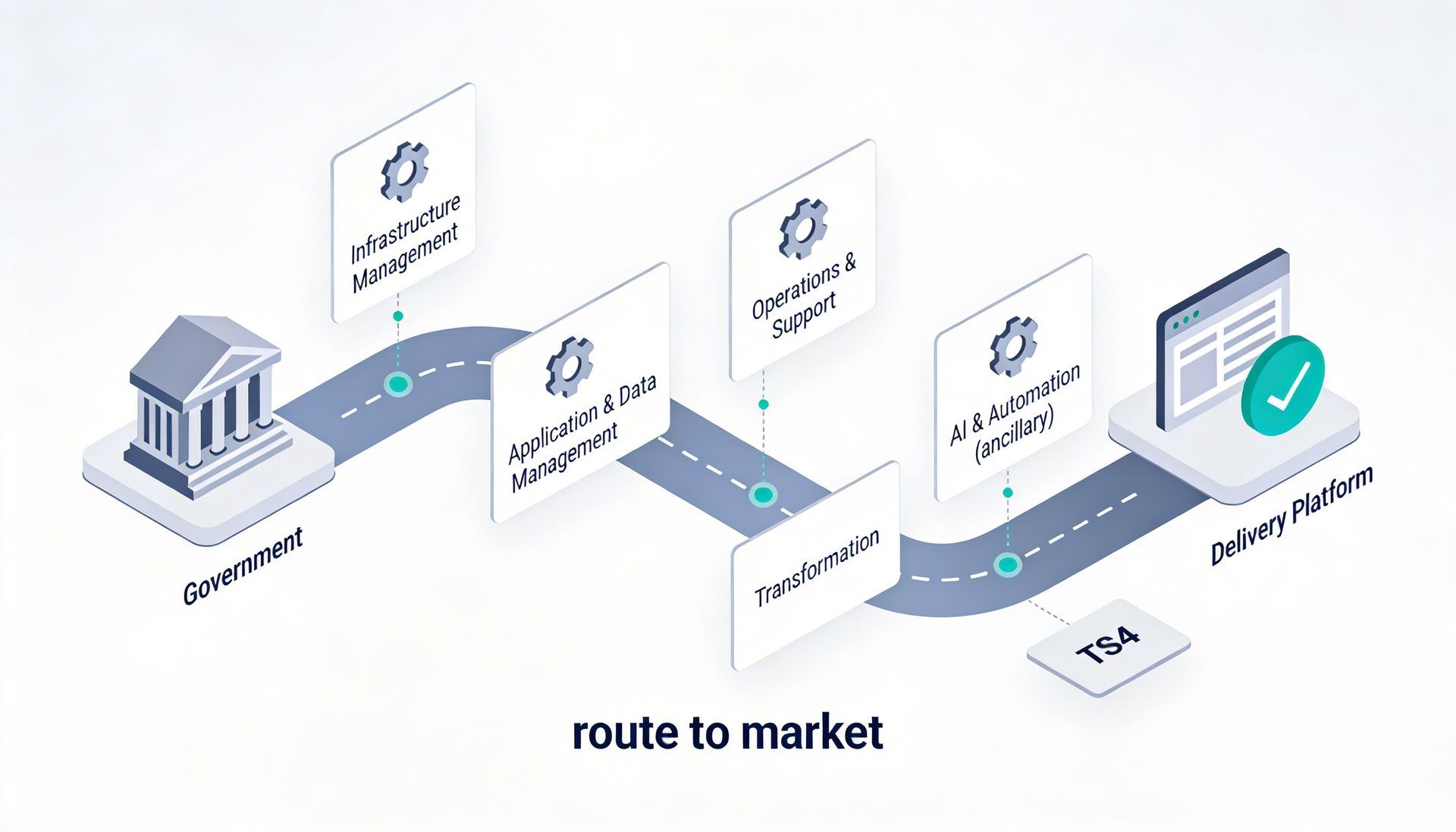
If you sell via routes such as G-Cloud or Technology Services frameworks, having an “AI transparency pack” ready can shorten procurement cycles and reduce back-and-forth.
How Altiatech can help
If you supply AI-enabled cloud, software or support services to the public sector, the hardest part is rarely the technology. It’s being able to explain what the AI does, what data it touches, how it’s controlled, and who is accountable in a way procurement, security and governance teams can sign off.
Altiatech helps organisations get that “buyer confidence” in place without slowing delivery.
What we do in practice
- AI transparency pack (PPN 017-ready): we help you document where AI is used, what happens without AI, data inputs/outputs, and the controls in place (so procurement teams aren’t chasing clarifications for weeks).
- Data governance and access controls: map data flows, validate data residency requirements, tighten permissions, and align classification/label approaches to how services are actually used.
- Security assurance for AI systems: review lifecycle security (design, build, deploy, monitor), supply chain considerations, incident response readiness, and common AI risks such as prompt injection and data poisoning.
- Human oversight and accountability model: define who reviews what, when, and how decisions are challenged or escalated (especially for high-impact services).
- Evidence pack and buyer-friendly wording: bring policies, testing approach, and security governance into one coherent set of artefacts, written in plain language that matches how public sector buyers evaluate risk.
A practical starting point
A short engagement to produce a complete AI procurement and assurance pack for one service (including data flow mapping, control summary, and a clear Q&A bank aligned to typical buyer questions). It gives your team a reusable template for future bids and framework responses.
Ready to move from ideas to delivery?
Whether you’re planning a cloud change, security uplift, cost governance initiative or a digital delivery programme, we can help you shape the scope and the right route to market.
Email:
innovate@altiatech.com or call
0330 332 5842 (Mon–Fri, 9am–5:30pm).
Main contact page: https://www.altiatech.com/contact