Multi-Cloud Security: Managing Identity and Access Across Azure, AWS, and GCP
Multi-cloud strategies deliver flexibility, redundancy, and the ability to select the best platform for each workload. They also create complex security challenges, particularly around identity and access management. Each cloud provider offers different security models, tools, and terminology, making unified security difficult to achieve.
The Multi-Cloud Security Challenge
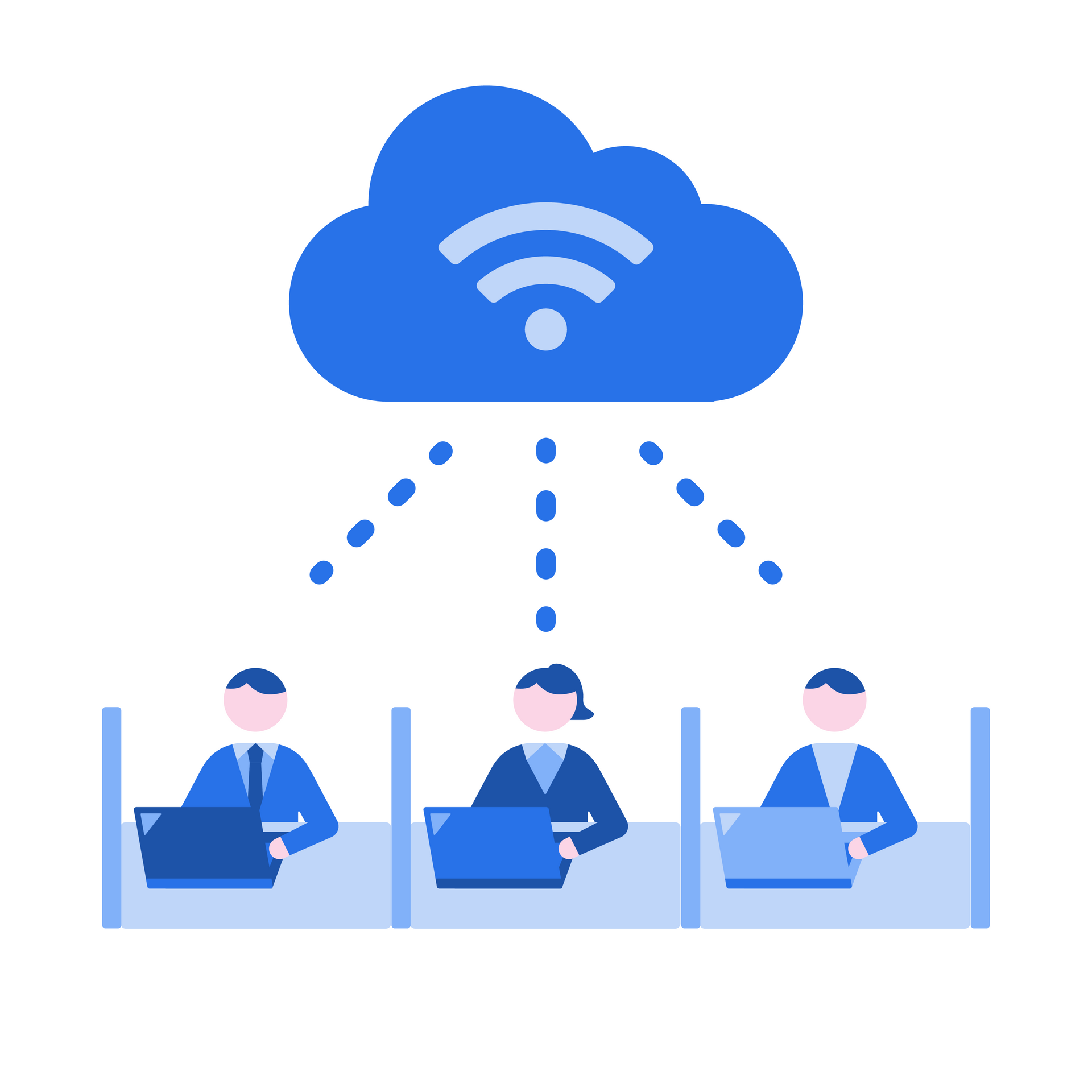
Operating across Azure, AWS, and Google Cloud Platform means managing three separate identity systems, each with distinct approaches to access control. Azure uses role-based access control through Microsoft Entra ID. AWS employs identity and access management (IAM) policies with a different permission model. GCP implements yet another approach through its IAM and organisation policies.
Without unified management, security gaps emerge at integration points between clouds. Inconsistent policies create vulnerabilities. Limited visibility across environments prevents effective monitoring. Administrators struggle to answer basic questions like "who has access to what across all our clouds?"
Establishing Unified Identity
The foundation of multi-cloud security is centralised identity management. Rather than maintaining separate identities in each cloud, establish a single authoritative source—typically Microsoft Entra ID or another enterprise directory. Cloud platforms authenticate against this central identity through federation, ensuring consistent identity across environments.
Single sign-on extends to cloud resources, providing seamless access whilst maintaining security. Multi-factor authentication applies uniformly regardless of which cloud users access. When employees leave, disabling their central identity immediately revokes access across all platforms.
Consistent Access Policies
Unified policy frameworks ensure consistent access control across clouds. Tools like Microsoft Entra Permissions Management provide visibility and governance across Azure, AWS, and GCP from a single interface. Cloud Infrastructure Entitlement Management (CIEM) solutions identify excessive permissions and privilege creep across multi-cloud environments.
Implementing least privilege access across multiple clouds requires understanding each platform's permission models. Over-permissioned accounts in any cloud create risk. Regular access certification ensures permissions remain appropriate as requirements change.
Monitoring and Response
Effective multi-cloud security requires centralised monitoring across all environments. Security information and event management (SIEM) platforms like Microsoft Sentinel aggregate logs from all clouds, enabling threat detection and response regardless of where attacks occur. Unified dashboards provide visibility into security posture across the entire infrastructure.
Automated response capabilities contain threats quickly. When suspicious activity is detected in one cloud, automated workflows can restrict access, isolate affected resources, or trigger investigation procedures.
Governance and Compliance
Multi-cloud governance frameworks establish guardrails preventing security misconfigurations. Automated compliance checking verifies configurations meet security standards across all platforms. Audit trails spanning multiple clouds demonstrate compliance to regulators and auditors.
Expert Multi-Cloud Security
Altiatech's Cloud Centre of Excellence spans Azure, AWS, and Google Cloud Platform, implementing cohesive security frameworks that provide comprehensive visibility and control across your multi-cloud infrastructure.
Struggling with multi-cloud security?
We can implement unified identity and access management across your cloud environments. Get in touch for a free consultation today.
📞 +44 (0)330 332 5482 | 📧 innovate@altiatech.com
Ready to move from ideas to delivery?
Whether you’re planning a cloud change, security uplift, cost governance initiative or a digital delivery programme, we can help you shape the scope and the right route to market.
Email:
innovate@altiatech.com or call
0330 332 5842 (Mon–Fri, 9am–5:30pm).
Main contact page: https://www.altiatech.com/contact