Windows 11 Migration: Why 2025 is Your Year for Digital Transformation

fahd.zafar • February 6, 2025

As we approach the October 2025 end-of-support deadline for Windows 10, organisations face a critical decision point about their digital infrastructure. At Altiatech, we're seeing unprecedented numbers of businesses using this transition as a catalyst for broader digital transformation.
The Current Landscape

Recent statistics tell a compelling story:

  • Over 40 million users migrated to Windows 11 in January 2025 alone
  • Approximately 500 million devices still need to upgrade!
  • Hardware compatibility remains a key consideration for many organisations

Why Act Now?

Security Implications

  • End of security updates after October 2025
  • Increased vulnerability to cyber threats
  • Compliance risks for regulated industries

Business Benefits

  • Enhanced productivity features
  • Improved security capabilities
  • Better support for hybrid working
  • Integration with advanced AI tools


Common Migration Challenges

Through our experience supporting numerous organisations through this transition, we've identified key challenges:

  • Hardware Compatibility
  • TPM 2.0 requirements
  • Processor specifications
  • Legacy system dependencies
  • User Adoption
  • Training requirements
  • Workflow changes
  • Resistance to change
  • Application Compatibility
  • Legacy software issues
  • Custom application updates
  • Driver compatibility


The Altiatech Approach

We've developed a comprehensive migration strategy that ensures a smooth transition:

Assessment Phase

  • Hardware inventory analysis
  • Application compatibility testing
  • User impact evaluation
  • Cost-benefit analysis

Planning Phase

  • Migration timeline development
  • Resource allocation
  • Risk mitigation strategies
  • Training programme design

Implementation Phase

  • Phased rollout approach
  • User support systems
  • Progress monitoring
  • Issue resolution


Beyond Migration: Digital Transformation

We recommend using this migration as an opportunity for broader improvements:

  • Modern Workplace Implementation
  • Cloud integration
  • Collaboration tools
  • Mobile working capabilities
  • Security enhancements
  • Process Optimisation
  • Workflow automation
  • Document management
  • Communication systems
  • Productivity tools


Take Action Today

With the deadline approaching, early planning is crucial. Contact Altiatech to:

  • Assess your current infrastructure for free!
  • Develop a migration strategy
  • Plan your digital transformation journey

📞 UK: +44 (0)330 332 5482
📧
innovate@altiatech.com

Ready to move from ideas to delivery?


Whether you’re planning a cloud change, security uplift, cost governance initiative or a digital delivery programme, we can help you shape the scope and the right route to market.


Email:
innovate@altiatech.com or call 0330 332 5842 (Mon–Fri, 9am–5:30pm).


Main contact page: https://www.altiatech.com/contact

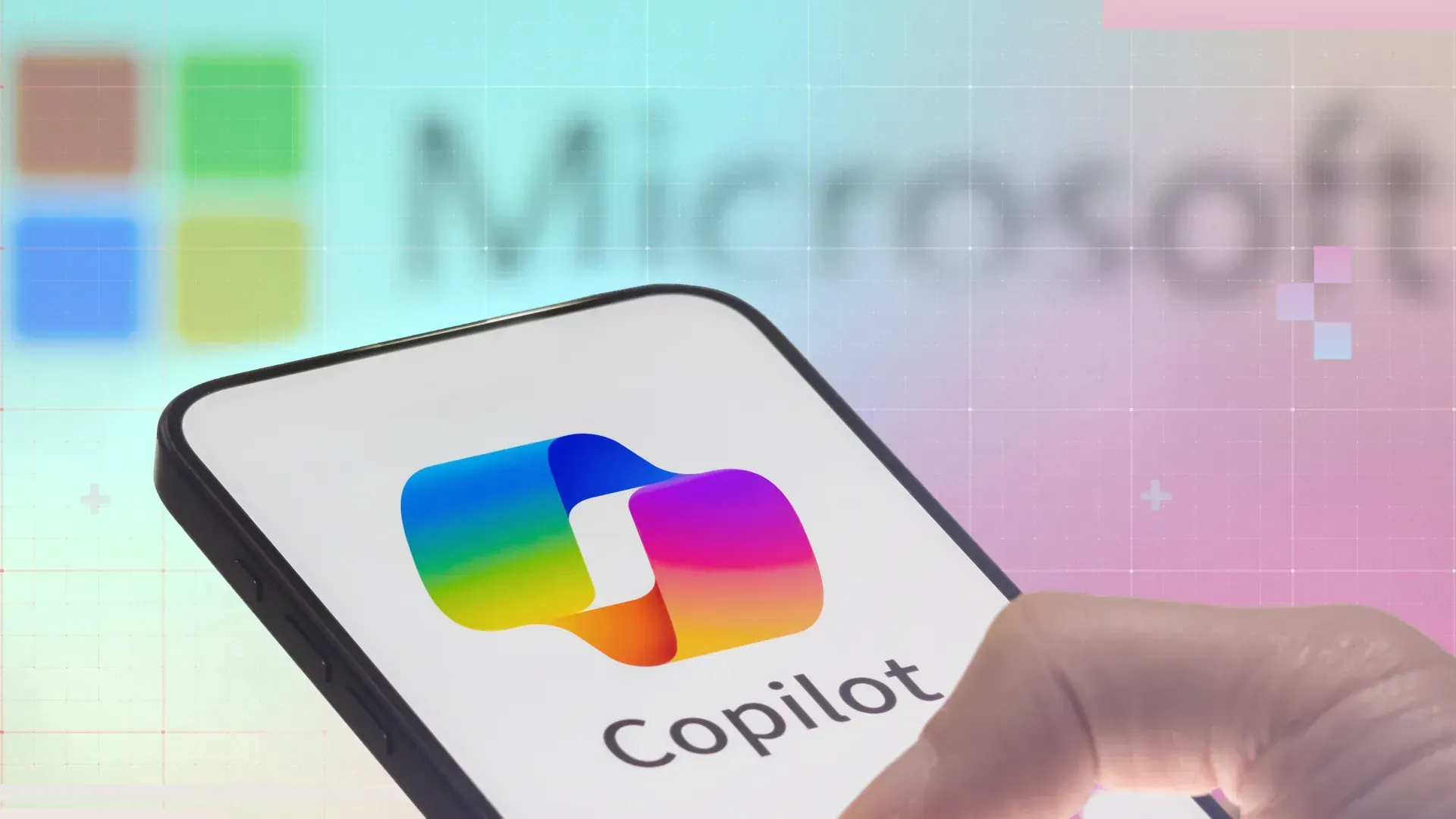
Hand holding a phone displaying the Microsoft Copilot logo with the Microsoft logo blurred in the background.
By Simon Poole February 18, 2026
A practical governance checklist for Microsoft Copilot in 2026, using the Copilot Control System to manage risk, security, compliance, and oversight.
Route to market diagram: Bank to delivery platform, with steps like product mgmt and customer support.
By Simon Poole February 12, 2026
Explains what the Technology Services 4 (TS4) framework means for public sector buyers and how to procure Altiatech services through compliant routes.
Two people shaking hands between cloud data and data analytics dashboards.
By Simon Poole February 10, 2026
Explores where IT waste really comes from and how FinOps helps organisations regain control of cloud spend, improve efficiency, and turn cost visibility into advantage.
People discussing data and cloud infrastructure, near a government building.
By Simon Poole February 9, 2026
An overview of CCS Digital Outcomes 7 explaining Altiatech’s routes to market and how public sector organisations can procure services.
January 26, 2026
Cyberattacks, system failures, natural disasters, and human errors will occur—the question isn't if but when. Cyber resilience planning ensures organisations can withstand incidents, maintain critical operations during disruptions, and recover quickly when systems fail. It's not just about preventing attacks; it's about ensuring business continuity regardless of what goes wrong.
January 19, 2026
Manual user provisioning - the process of creating accounts and granting access through email requests and IT tickets - seems manageable for small organisations. As organisations grow, this approach creates mounting security risks, operational inefficiencies, and frustrated users waiting days for access they need immediately.
January 12, 2026
Multi-cloud strategies deliver flexibility, redundancy, and the ability to select the best platform for each workload. They also create complex security challenges, particularly around identity and access management. Each cloud provider offers different security models, tools, and terminology, making unified security difficult to achieve.
January 5, 2026
Privileged accounts—those with administrative rights to critical systems—represent the most attractive target for attackers. A single compromised privileged credential gives attackers complete control over infrastructure, data, and operations. Yet many organisations manage privileged access inadequately, creating unnecessary risk.
December 22, 2025
Identity and access management represents a critical security capability, yet many organisations struggle to assess whether their IAM implementation is truly effective. Identity governance maturity models provide a framework for evaluation, revealing gaps and priorities for improvement.
December 15, 2025
Traditional security models assumed everything inside the corporate network was trustworthy, focusing defensive efforts on the perimeter. This approach fails catastrophically in today's hybrid work environment where employees access resources from homes, coffee shops, and co-working spaces whilst applications reside across multiple clouds.